Santander UK Branch Closures Backlash: What Customers Need to Know
INTRODUCTION
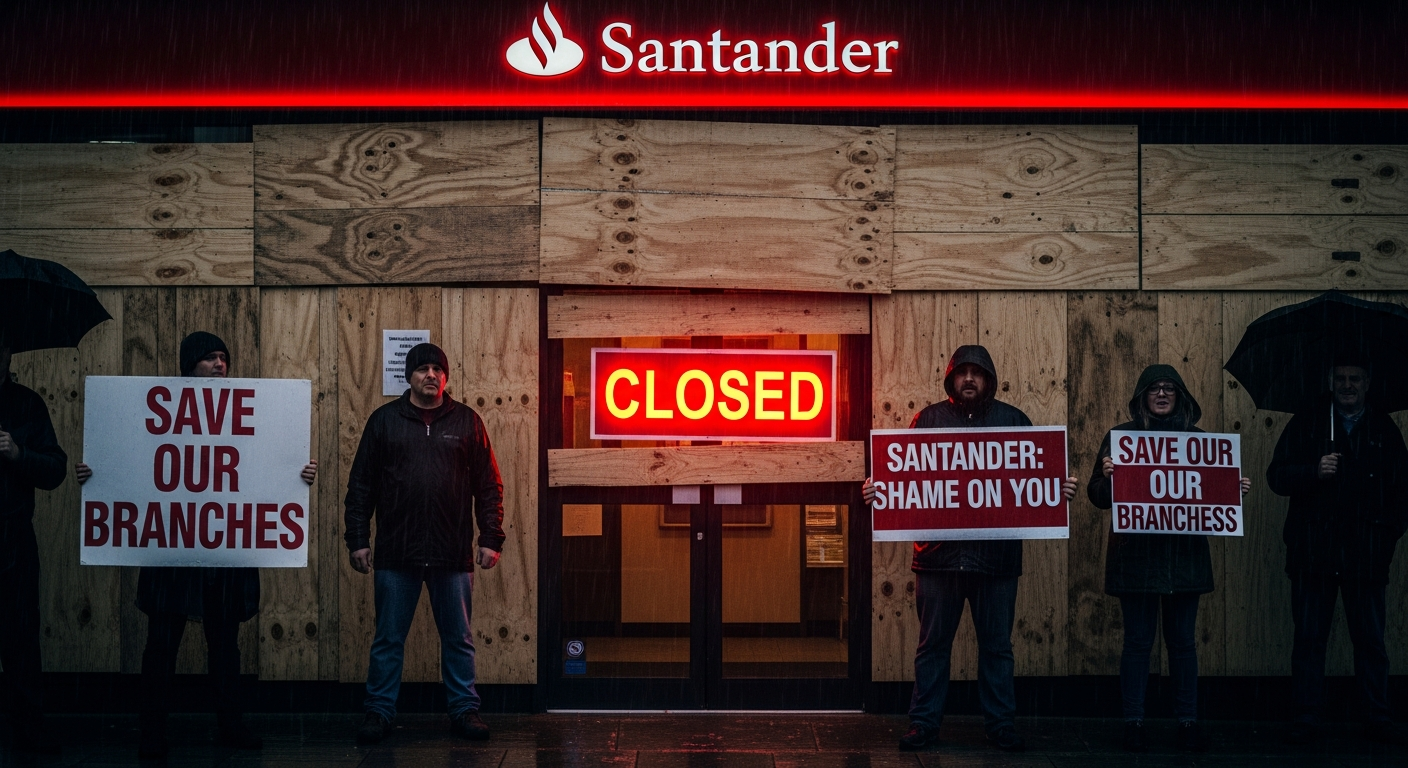
In recent months, santander uk branch closures backlash has dominated headlines. The bank’s decision to close multiple local branches has sparked outrage among customers, communities, and even local councils. For many, bank branches are more than a place to deposit money—they are a hub for advice, trust, and personal service. Yet, like many large banks, Santander argues that digital banking trends make some branches less viable.
If you’ve ever wondered how these closures affect you, your finances, or your community, this article will break it down. We’ll explore why Santander is closing branches, the public response, and what alternatives exist. By the end, you’ll have a complete understanding of the situation—and tips to navigate this banking shift.
| Key Feature | In-Depth Information | Visual Reference |
|---|---|---|
| Primary Focus | Santander UK Branch Closures and Community Impact |
|
| Core Theme | Balancing Digital Efficiency with Personal Service | |
| Target Audience | Local Communities, Businesses, and Banking Experts |
Why Santander Is Closing UK Branches
Santander has explained that branch closures are largely due to declining in-person visits. More customers are banking via apps and online services than ever before. While this might make sense for efficiency, it doesn’t consider people who rely on face-to-face banking, including the elderly or those without internet access.
From the bank’s perspective, maintaining underused branches is costly. Each branch requires staff, rent, security, and utilities. Closing some locations allows Santander to redirect resources into digital banking tools, making services faster for online users.
However, many feel this approach overlooks community needs. Banks aren’t just financial machines—they’re a local safety net. The Santander UK branch closures backlash reflects frustration over losing personal service in favor of digital convenience.
The Human Impact of Branch Closures
The closures have a real human cost. Older customers often struggle with online banking. Some people rely on in-branch services for cash withdrawals, check deposits, or financial advice. Losing nearby branches can create inconvenience and stress.
Local businesses also feel the effect. Small shop owners often need cash deposits or guidance for loans. If their nearest branch closes, they may need to travel far or deal with digital services that aren’t as personal or responsive.
Many community leaders have raised concerns. Councils argue that bank branches are essential for social infrastructure. In smaller towns, a bank’s closure can leave a financial “desert,” affecting residents who rely on physical banking services.
The Public Backlash
Unsurprisingly, the response has been strong. Customers have shared frustrations on social media, with stories about long trips to the next branch or challenges navigating online platforms. Local newspapers have reported on community petitions to keep branches open.
Some critics accuse Santander of prioritizing profits over people. They argue the bank is abandoning loyal customers who have trusted it for decades. This backlash is not unique to Santander—other UK banks have faced similar criticism—but the volume and intensity highlight how important branches remain.
How Digital Banking Plays a Role
One reason Santander cites for branch closures is the rise of digital banking. Mobile apps, online banking, and contactless payments have grown rapidly, especially since the pandemic. These tools allow users to manage money anywhere, at any time.
While convenient, digital banking is not a one-size-fits-all solution. Not everyone is tech-savvy, and internet access can be unreliable in rural areas. The Santander UK branch closures backlash partly stems from the gap between what the bank sees as efficiency and what customers actually need.
Community Reactions: Petitions and Protests
Across the UK, people have organized to voice their discontent. Local petitions have gained thousands of signatures, calling for branches to remain open. Some councils have even debated offering incentives to banks that keep locations operational.
Protests have also appeared outside high-profile branches. Customers share stories of trips that now take an extra hour or involve complex procedures for basic transactions. These public actions underscore how emotionally and practically impactful branch closures can be.
Alternatives for Customers
If your local Santander branch is closing, you have options. First, explore online and mobile banking tools. The Santander app allows you to check balances, pay bills, and transfer money quickly.
Second, consider telephone banking, which provides a human touch without needing to visit a branch. Some customers prefer this for more complex transactions or guidance.
Third, post offices sometimes offer limited banking services in partnership with major banks. Though not as extensive, this can be a temporary solution for essential transactions.
Comparing Santander to Other Banks
Santander isn’t the only bank shrinking its branch network. Lloyds, Barclays, and NatWest have all announced closures in recent years. However, Santander has faced particularly vocal backlash due to the pace and scale of its reductions.
Some banks have mitigated backlash by improving digital tools, offering more personal support online, or maintaining a limited number of “key branches” in each area. Santander’s critics argue that it has not done enough to balance cost savings with customer care.
Impact on Rural Communities
Rural towns are especially affected. Many villages have already lost a local bank, leaving residents dependent on long trips to larger towns. The Santander UK branch closures backlash is pronounced in these areas because access to financial services is limited.
Older adults, small business owners, and those without reliable internet face challenges. Local councils have called on banks to consider the social impact of closures, arguing that access to financial services is a basic community need.
Expert Opinions on Branch Closures
Financial experts note that branch closures are part of a broader industry trend. Banks must reduce costs while investing in digital infrastructure. However, they stress that banks risk damaging trust if closures are too rapid or unbalanced.
Consumer rights advocates also highlight accessibility concerns. While digital banking is efficient, leaving vulnerable populations without in-person support can create financial exclusion. These warnings reinforce why the Santander UK branch closures backlash is more than a minor inconvenience—it’s a societal concern.
Tips for Navigating Bank Closures
If your branch is closing, plan ahead. First, set up online banking and familiarize yourself with mobile apps. Ensure you know how to deposit checks, pay bills, and manage transfers digitally.
Second, identify alternative physical locations, like nearby Santander branches or post offices. Third, consider speaking to a customer service representative for advice on how to transition smoothly.
Finally, if you’re affected, voice your concerns. Banks often take customer feedback seriously, especially when local councils and communities advocate together.
How Santander Can Respond
Some suggestions to mitigate backlash include:
- Maintaining key branches in vulnerable areas
- Offering enhanced digital support for older customers
- Partnering with local post offices to ensure physical access
- Communicating closures transparently and well in advance
By prioritizing customers while embracing digital growth, Santander can balance efficiency with trust.
Long-Term Implications for UK Banking
The branch closure trend signals a shift in how the UK banks operate. Customers may increasingly rely on digital tools, while physical presence becomes more strategic.
Communities and regulators will likely demand a stronger focus on accessibility and inclusion. The Santander UK branch closures backlash may prompt other banks to consider the social implications of closures more carefully, ensuring that vulnerable populations are not left behind.
FAQs
1. Why is Santander closing so many branches?
Santander cites declining in-person visits and the rise of digital banking as main reasons. They aim to reduce costs and invest in online tools.
2. Who is most affected by these closures?
Older adults, rural residents, and small businesses are most impacted, as they often rely on in-person banking.
3. Can I still use Santander services without a branch?
Yes. Online banking, mobile apps, and telephone support cover most banking needs. Some post offices also provide limited services.
4. How can I give feedback to Santander?
You can contact customer support, participate in surveys, or join community petitions to express concerns.
5. Are other UK banks closing branches too?
Yes, many banks like Lloyds, Barclays, and NatWest are reducing branch networks due to similar digital trends.
6. Will branch closures affect bank security?
Not significantly. Digital banking platforms have robust security, though it’s important for users to follow online safety practices.
Conclusion
The Santander UK branch closures backlash highlights a growing tension between convenience and accessibility. While digital banking offers speed and flexibility, it can’t replace the personal service that many communities rely on.
If you’re affected, understanding your options—online tools, telephone support, or nearby branches—is crucial. Communities, councils, and customers can also advocate for balanced solutions. Ultimately, banks that combine digital efficiency with personal support will maintain trust and loyalty.