Cheese Doodles: A Crunchy Snack Loved Across Generations
Cheese doodles are one of the most recognizable and beloved snack foods in the world. With their bright orange color, airy crunch, and bold cheesy flavor, they have secured a permanent place in snack culture. From school lunchboxes to movie nights and late-night cravings, cheese doodles are a comfort snack that transcends age and geography. While often dismissed as simple junk food, cheese doodles have a fascinating history, unique production process, and strong cultural impact that make them far more interesting than they appear.
What Are Cheese Doodles?
Cheese doodles are puffed corn-based snacks coated with cheese seasoning. They are typically made by heating cornmeal under pressure and forcing it through a die, where it expands into light, airy shapes. Once formed, the snacks are dried and coated with a blend of cheese powder, oils, and seasonings. The result is a crunchy, melt-in-your-mouth snack that delivers a strong savory flavor with minimal effort.
Although the term “cheese doodles” is often associated with a specific brand, it has become a generic name for cheese-flavored puffed snacks. Today, variations exist in shape, texture, and intensity of flavor, but the core identity remains the same.
The History of Cheese Doodles
Cheese doodles were first introduced in the mid-20th century, during a time when processed and convenience foods were rapidly gaining popularity. Advances in food technology allowed manufacturers to create snacks that were inexpensive, shelf-stable, and highly appealing to consumers. The invention of extrusion cooking was a major breakthrough, enabling the production of puffed snacks on a large scale.
Over time, cheese doodles evolved from a novelty item into a mainstream snack. Their bright color and playful appearance made them especially attractive to children, while their bold taste ensured loyalty among adults. As snack culture expanded globally, cheese doodles became a symbol of indulgence and fun.
How Cheese Doodles Are Made
The production of cheese doodles is a carefully controlled process designed to achieve consistent texture and flavor. It begins with cornmeal, which is mixed with water and heated under pressure. This mixture is then pushed through an extruder, where the sudden release of pressure causes it to puff up dramatically.
After extrusion, the puffed corn shapes are dried to remove excess moisture. This step is crucial, as it determines the final crunchiness of the snack. Once dried, the cheese doodles are tumbled in large rotating drums where oil and cheese seasoning are evenly applied. The seasoning blend usually includes cheese powder, salt, and flavor enhancers.
The finished product is then cooled, packaged, and sealed to preserve freshness. Despite their simple appearance, cheese doodles require precise engineering to maintain their signature lightness and flavor.
Why Cheese Doodles Are So Addictive
One of the reasons cheese doodles are so popular is their unique sensory appeal. The combination of crunch, melt-in-your-mouth texture, and intense savory flavor triggers pleasure responses in the brain. The balance of salt, fat, and carbohydrates makes them highly satisfying, encouraging people to keep reaching for more.
Another factor is their ease of consumption. Cheese doodles require no preparation, no utensils, and very little effort to eat. Their playful texture and shape also make them enjoyable on a tactile level, which adds to their overall appeal.
Nostalgia plays a major role as well. For many people, cheese doodles are associated with childhood memories, making them a comforting and emotionally satisfying snack.
Nutritional Value of Cheese Doodles
Cheese doodles are not typically considered a health food, but understanding their nutritional profile can help consumers make informed choices. They are generally high in calories, refined carbohydrates, and sodium, while being low in protein, fiber, and essential nutrients.
Most cheese doodles contain artificial flavorings and preservatives, though some newer varieties focus on cleaner ingredients or baked versions with reduced fat. While they can be enjoyed occasionally as part of a balanced diet, moderation is key.
For those seeking healthier alternatives, some brands offer cheese doodles made with whole grains, organic ingredients, or plant-based cheese flavorings.
Cheese Doodles in Popular Culture
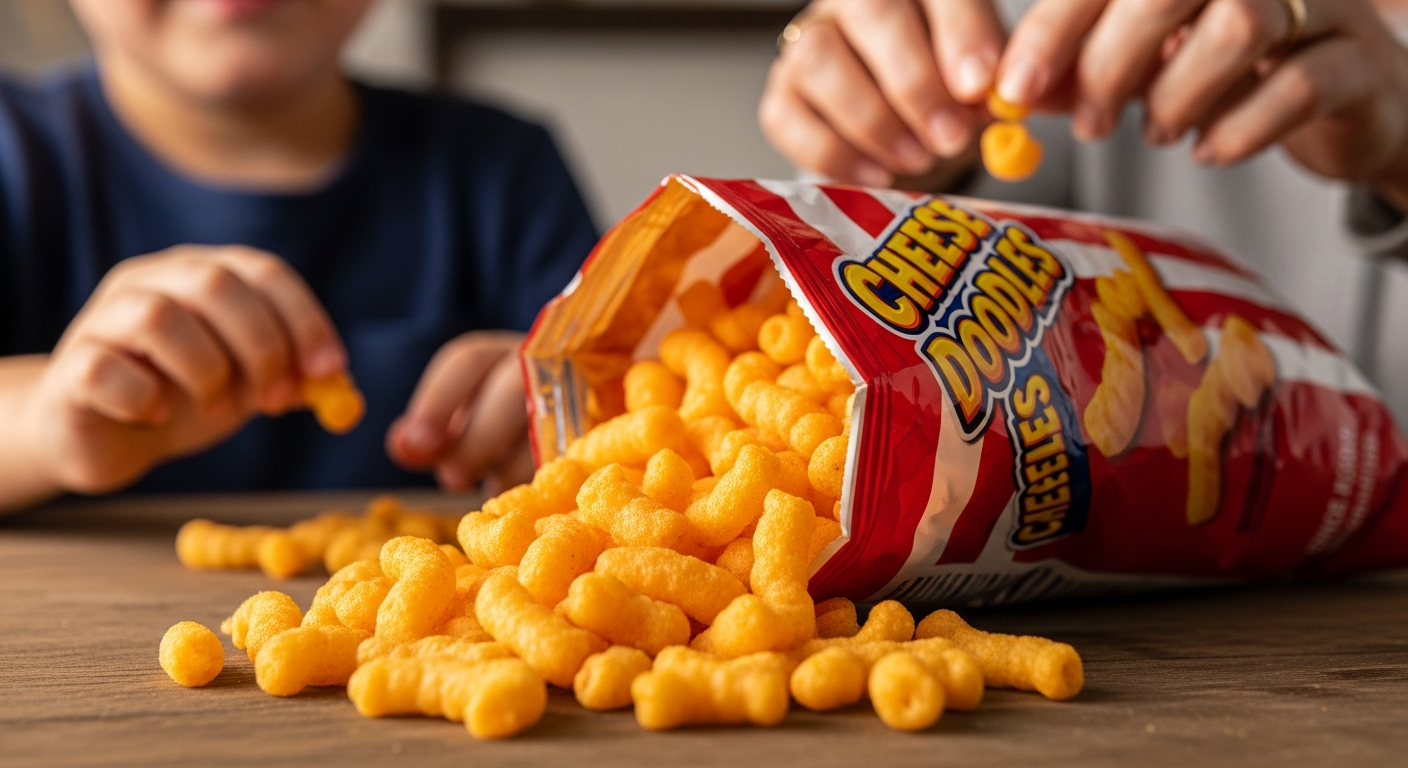
Cheese doodles have become more than just a snack; they are a cultural icon. They frequently appear in movies, television shows, and social media as symbols of indulgence or carefree enjoyment. Their bright orange residue on fingers has even become a humorous trope, often referred to jokingly by fans.
In recent years, cheese doodles have gained renewed attention through internet trends, food challenges, and nostalgic marketing campaigns. This cultural visibility has helped keep them relevant in an increasingly crowded snack market.
Different Types of Cheese Doodles
While classic cheese doodles remain the most popular, there are many variations available today. Some are extra crunchy, while others are softer and puffier. Flavored versions include spicy cheese, white cheddar, jalapeño, and even sweet-and-savory blends.
International markets have also introduced unique takes on cheese doodles, incorporating regional spices and flavor profiles. This diversity allows consumers to experience familiar comfort with a twist, keeping the snack exciting and fresh.
Cheese Doodles and Modern Snacking Trends
As consumer preferences shift toward transparency and sustainability, cheese doodle manufacturers are adapting. Many companies now focus on non-GMO ingredients, reduced artificial additives, and environmentally friendly packaging. Some brands are experimenting with protein-enhanced or vegan cheese doodles to appeal to health-conscious and plant-based consumers.
Despite these changes, the core appeal of cheese doodles remains unchanged. They continue to be a fun, flavorful snack that offers instant gratification in a fast-paced world.
Conclusion
Cheese doodles are more than just a cheesy snack; they are a cultural staple that has stood the test of time. From their innovative production process to their addictive texture and nostalgic charm, cheese doodles have earned their place in snack history. While they may not be the healthiest option, their role as an occasional indulgence is undeniable. As the snack industry evolves, cheese doodles continue to adapt, proving that even the simplest foods can have lasting appeal.
Frequently Asked Questions About Cheese Doodles
Are cheese doodles the same as cheese puffs?
Cheese doodles and cheese puffs are very similar, but the terms are often used interchangeably. The main differences usually come down to brand, shape, and texture rather than ingredients.
Are cheese doodles vegetarian?
Most cheese doodles are vegetarian, but some may contain animal-derived enzymes in the cheese flavoring. It’s best to check the ingredient label to be sure.
Why do cheese doodles turn fingers orange?
The orange color comes from food coloring and cheese powder. The oils used in seasoning make the color stick easily to skin.
Can cheese doodles go bad?
Yes, cheese doodles can go stale or develop off flavors if exposed to air or moisture. Properly sealed packaging helps maintain freshness.
Are there healthier alternatives to cheese doodles?
Healthier options include baked versions, whole-grain cheese snacks, or puffed snacks made with natural ingredients and less sodium.